Why Off-Road Motorcycle Tire Demand Is Growing
Global demand for off-road motorcycles continues to expand, driven by recreational riding, competitive motocross events, and the growing popularity of adventure touring. For distributors and importers, this creates steady demand for durable, well-designed tires in the smaller rim diameters common to youth bikes, pit bikes, and light off-road machines. Understanding which sizes and patterns to stock is essential to capturing this segment profitably.
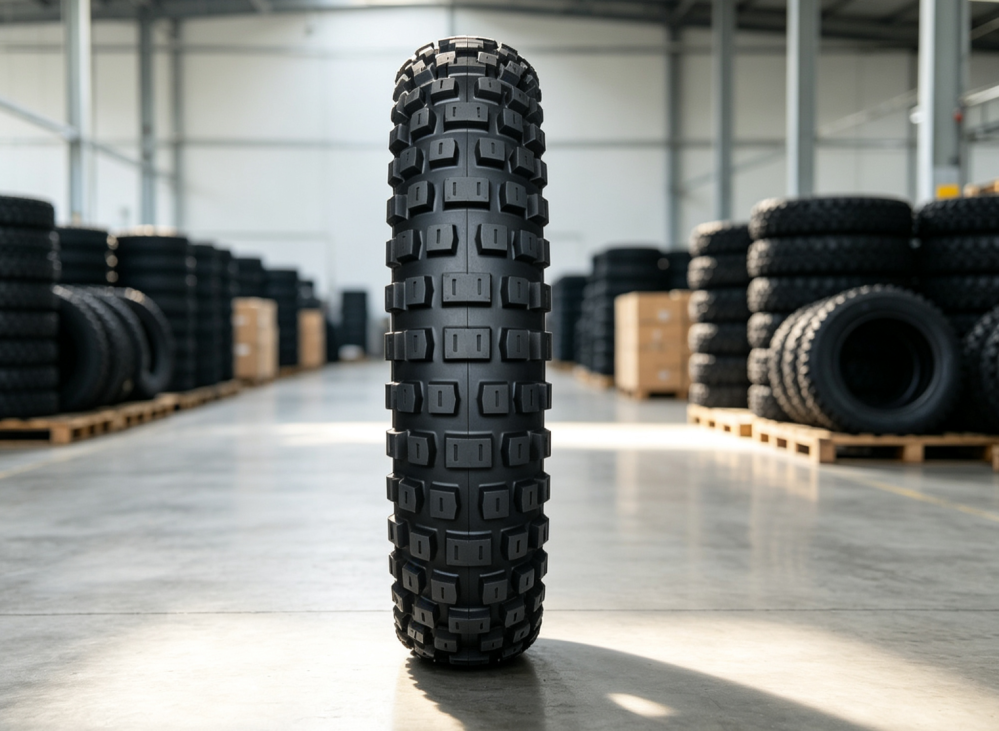
Wanda Tyre’s P262 series is one example of an off-road motorcycle tire designed with this market in mind. It is available in several sizes commonly used on motocross and trail bikes, giving buyers a range of options for their inventory planning.
Key Sizes to Know in Off-Road Motorcycle Tires
When building your product range, rim diameter and section width are the first factors to consider. The P262 tire line includes these sizes, which cover many popular bike applications:
60/100-12 – often used on smaller off-road bikes and youth motocross machines
60/100-14 – another common fitment for mid-size pit and trail bikes
70/100-17 – suitable for certain junior enduro and motocross rear applications
70/100-19 – a standard front tire size for many full-size dirt bikes
80/100-21 – widely specified as a front tire on adult motocross and enduro motorcycles
While not an exhaustive list of the market’s needs, these five sizes represent a logical starting point for distributors looking to serve riders from entry-level to intermediate competition. Mixing front and rear sizes in one sourcing request can simplify logistics and help you negotiate better terms with your supplier.
Selecting the Right Tire Pattern for Your Market
Off-road tires must handle loose dirt, mud, sand, and hardpack surfaces. The tread pattern determines how well the tire hooks up and sheds debris. For motocross-oriented products, an aggressive block-style tread is common. The P262 is configured for off-road use, with a design that aims to provide consistent traction across varied terrain. When evaluating a pattern, ask your supplier about:
Tread block height and spacing – affects grip and self-cleaning ability
Rubber compound – influences wear life and grip in different temperatures
Carcass construction – determines impact resistance and ride comfort
Sidewall strength – important for riding at lower pressures
Buyers should request clear product specifications from the manufacturer. Look for honest descriptions of intended use conditions, not generic claims of universal performance.
Quality and Consistency in Off-Road Tires
For B2B buyers, consistency matters more than any single batch test. You need tires that will perform reliably across production runs, because your reputation is tied to what your customers experience. As a manufacturer, Wanda Tyre focuses on achieving uniform quality through controlled production processes. When sourcing any off-road tire, ask the factory about their quality assurance procedures, and if possible, request reference samples before placing a large order.
International buyers should also pay attention to dimensional accuracy. Sizes like 60/100-12 and 80/100-21 are specified by industry standards, and deviations can cause fitment issues, customer complaints, and costly returns. A trustworthy supplier must be able to hold tolerances that meet or exceed common expectations.
Supply Chain Considerations for Importers and OEM Buyers
Off-road tires, especially those in smaller rim sizes, are often purchased by distributors who consolidate orders for many SKUs. When you select a product line like the P262, consider the following commercial points:
Minimum order quantities – confirm whether you can mix sizes within one shipment
Lead times – ask the manufacturer for realistic production and delivery schedules
Packaging – ensure tires are packaged to protect bead and tread during ocean freight
Documentation – verify what export paperwork is provided for customs clearance in your region
For OEM and ODM buyers, the ability to customize branding is another factor. While this update does not confirm any specific service terms, many manufacturers offer private label options if your volume justifies it. Discuss your requirements early with the supplier’s export team.
Balancing Price and Performance in Your Inventory
Distributors often compete on price, but in off-road tires, value is a combination of cost, performance, and durability. A tire that is cheap but wears quickly or damages easily will generate complaints and claims. The P262 is positioned as a practical choice for off-road enthusiasts who need reliable performance without excessive cost. When listing these tires for your marketplace, promote the sizes and intended use clearly to reduce mismatched purchases.
Consider offering bundles for riders who need both front and rear tires. For example, a 70/100-19 front paired with an 80/100-21 front belongs to different bike models, but grouping by bike displacement or rider age can help your customers find what they need faster. Work with your sales team to create cross-reference charts for popular motorcycle models in your target market.
Building a Long-Term Sourcing Relationship
Successful importing is not just about a single transaction. It is about finding a supplier that can support your growth. Wanda Tyre’s P262 line is one option among many in the company’s off-road portfolio. For distributors and importers, it makes sense to evaluate the supplier’s entire range, not just one pattern. A manufacturer with a broader catalog allows you to expand your product offerings as market demand shifts, without needing to qualify multiple factories.
In addition, keep an eye on trends in youth off-road riding. Sizes like 60/100-12 and 60/100-14 are often the first tires a young rider uses. If your region has a strong youth motocross scene, those sizes can become repeat purchase items as riders progress to larger machines.
Final Recommendations for Tire Buyers
Start your sourcing process by mapping the most common motorcycle models in your market. Use that data to identify which tire sizes you need to stock. The P262’s five available sizes are a logical bundle to test because they cover a broad spectrum of off-road bikes. Before committing to a container, request samples and compare them with the tires you currently offer.
Finally, work with suppliers that communicate openly about product limitations and capabilities. The off-road tire segment is competitive, but buyers who take the time to understand pattern design, size coverage, and supply chain logistics will build a winning portfolio. Wanda Tyre’s P262 series is worth including in your next sourcing review.